
Group members
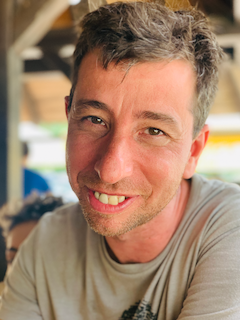
Máté Lengyel
Máté Lengyel is Professor of Computational Neuroscience at the Department of Engineering, University of Cambridge. Previously, he studied biology for his MSc and neurobiology for his PhD at Eötvös University, Budapest, while working in the computational neuroscience lab of Péter Érdi. He was then a postdoc with Peter Dayan at the Gatsby Computational Neuroscience Unit, UCL, followed by a visiting research fellowship at the Collegium Budapest Institute for Advanced Study. He studies learning and memory from computational, algorithmic/representational and neurobiological viewpoints. He also maintains an active interest in the possible computational functions of neural oscillations, particularly those present in the hippocampus and neocortex.
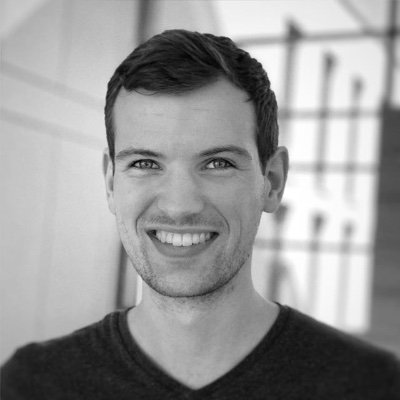
Samuel Eckmann
Samuel is a Royal Society Newton International Fellow and joined the lab in 2022 as a postdoc. In his research, he tries to understand how neural circuits develop and operate. For this he uses theoretical and computational methods to build models of biological neural networks that contain excitatory and inhibitory neurons. He obtained a Ph.D. at the Max Planck Institute for Brain Research (MPIBR) and the Frankfurt Institute for Advanced Studies (FIAS), where he demonstrated how recurrent networks with rich computational functions can emerge from realistic plasticity mechanisms. Currently, he is working on extending these models to explain memory processing in the hippocampus and homeostatic adaptation in sensory circuits.
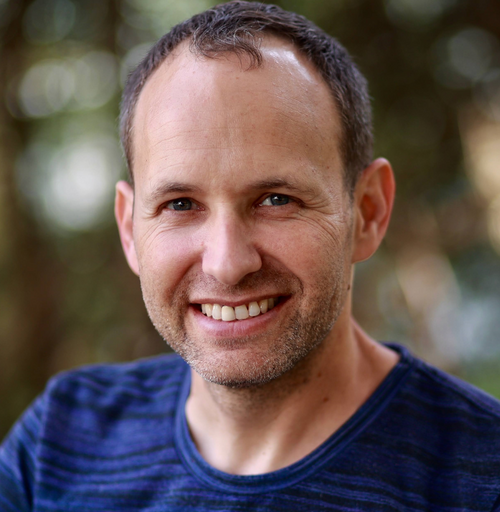
Uri Cohen
I am a Blavatnik Cambridge Postdoctoral Fellow at the Computational and Biological Learning Lab, and am interested in developing theories on the dynamics of learning and memory in the brain. Using advanced methods from statistical physics and computer science, I try to develop theoretical insight which would be used to analyse neural data and better understand the computations performed by specific regions of the brain. I obtained my PhD at the Hebrew University of Jerusalem, where I analysed neuronal responses to objects and measured the geometric properties important for linear object classification. Currently working on a theory for the stability of memories in auto-associative neural networks.
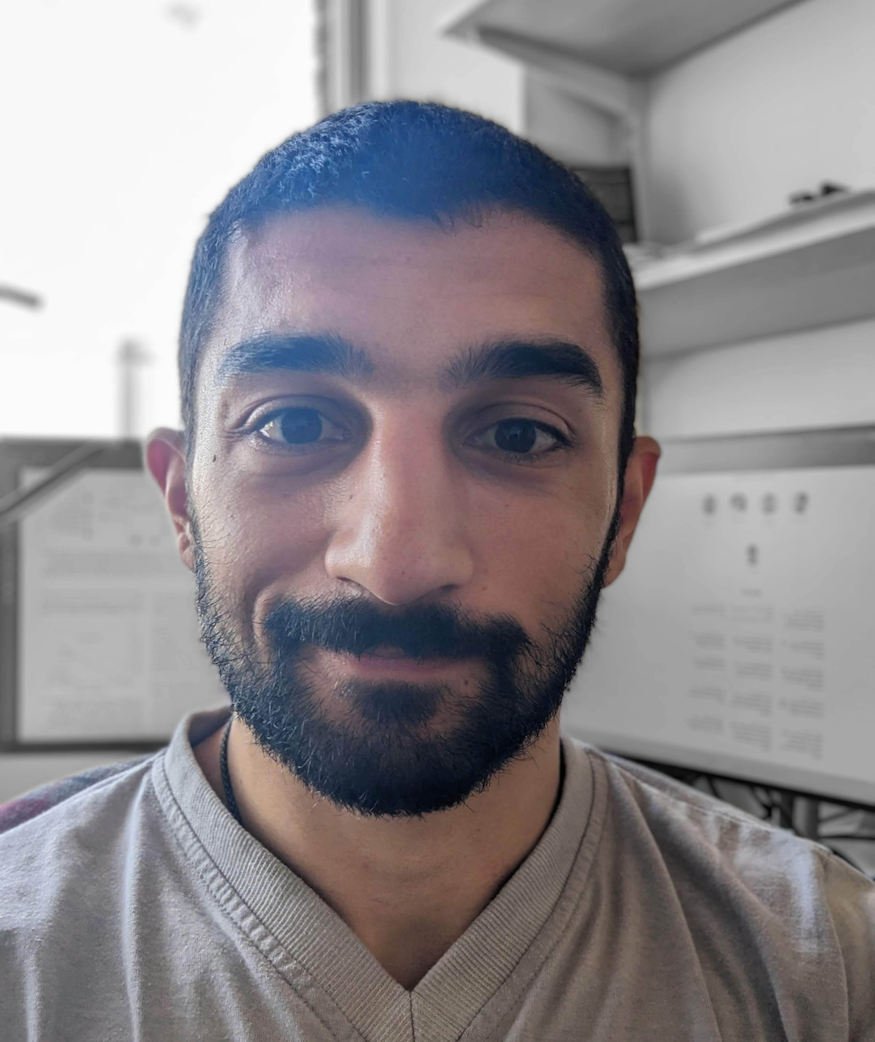
Theoklitos Amvrosiadis
Theo joined the lab as a postdoctoral researcher in 2022, funded by BBSRC in a collaborative project with Prof. Nathalie Rochefort at the University of Edinburgh. After earning a BSc in Pharmacy and a MSc in Neuroscience in Greece, he completed his doctoral studies at the Rochefort lab, using 2-photon calcium imaging and behavioural paradigms in mice to study the encoding of perceptual uncertainty in primary visual cortex. His current work focuses on integrating theoretical and modeling approaches to further elucidate these mechanisms.
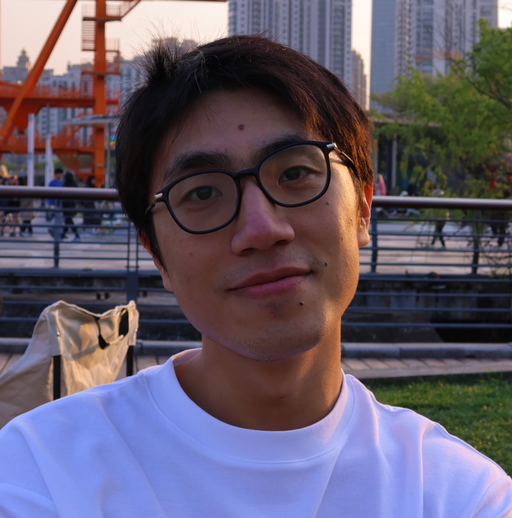
Changmin Yu
Changmin is a postdoctoral researcher in Computational and Biological Lab, funded by Wellcome Trust. He did his PhD in computational neuroscience and machine learning at UCL, under the supervision of Neil Burgess and Maneesh Sahani. During his PhD, Changmin worked on a variety of projects, including normative modelling of entorhinal grid cells under the context of planning and generalisation, unsupervised neural data analysis with structured deep generative models, and several projects in reinforcement learning. His current research focuses on normative modelling of hippocampal neurons with probabilistic inference under the spatial context, for explaining properties such as remapping, phase precession, and uncertainty representation.
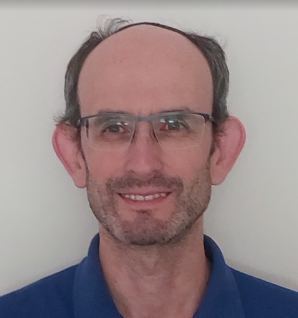
Alexander (Sasha) Rivkind
Sasha is a postdoctoral reasearcher in the Computational and Biological Learning Lab (CBL) at Cambridge University, co-supervised by Profs. Guillaume Hennequin and Máté Lengyel and working on learning of context in artificial neural networks, its theory and implementation. More generally, Sasha is keen to understand how functionality emerges and remains stable in disordered systems. Before joining CBL, Sasha spent his time harnessing instabilities and nonlinearities both in his work as an Analog and RFIC designer at Intel and during his Master’s in the Physics of disordered systems at Technion. Later he earned a Ph.D. in theoretical neuroscience, followed by a postdoctoral project in visuomotor learning at Technion and Weizmann Institute respectively.
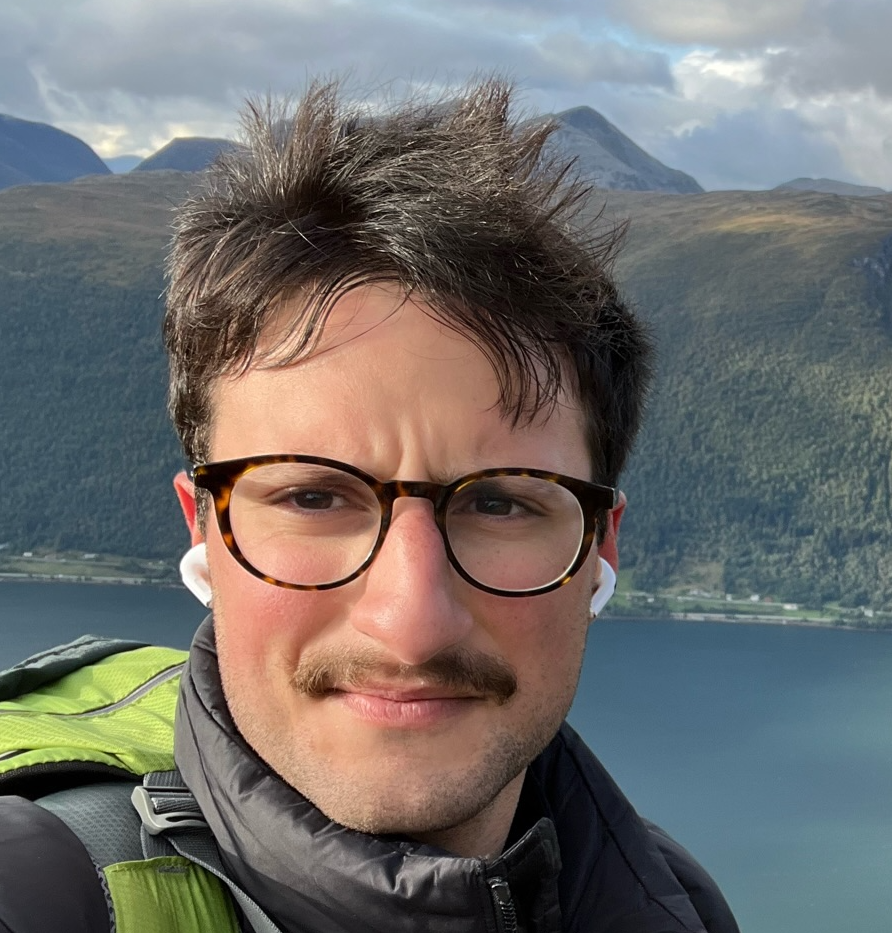
Puria Radmard
Puria joined the group as a PhD student in January 2023, after graduating from Information Engineering at Cambridge in 2022 and a quick stint in industry. In his first year, he worked on a collaborative project with Paul Bays, modelling biases in human visual working memory. He aims to incorporate RNN methods into this task. Before beginning his PhD, he worked on active learning methods for speech and natural language processing.
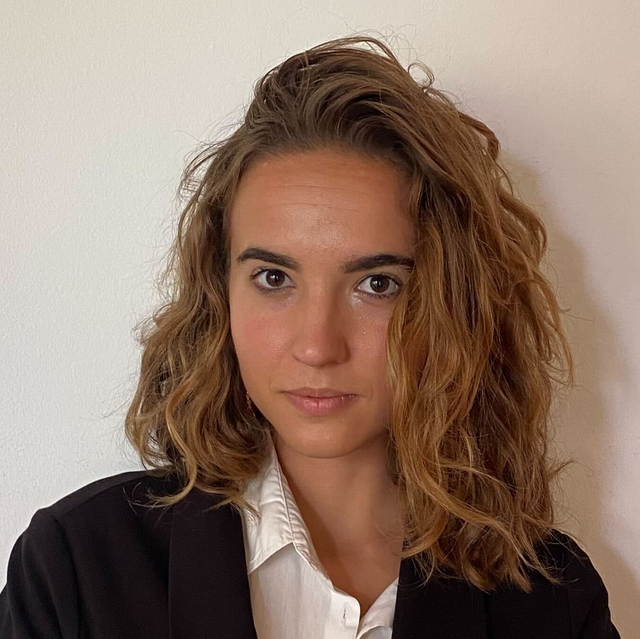
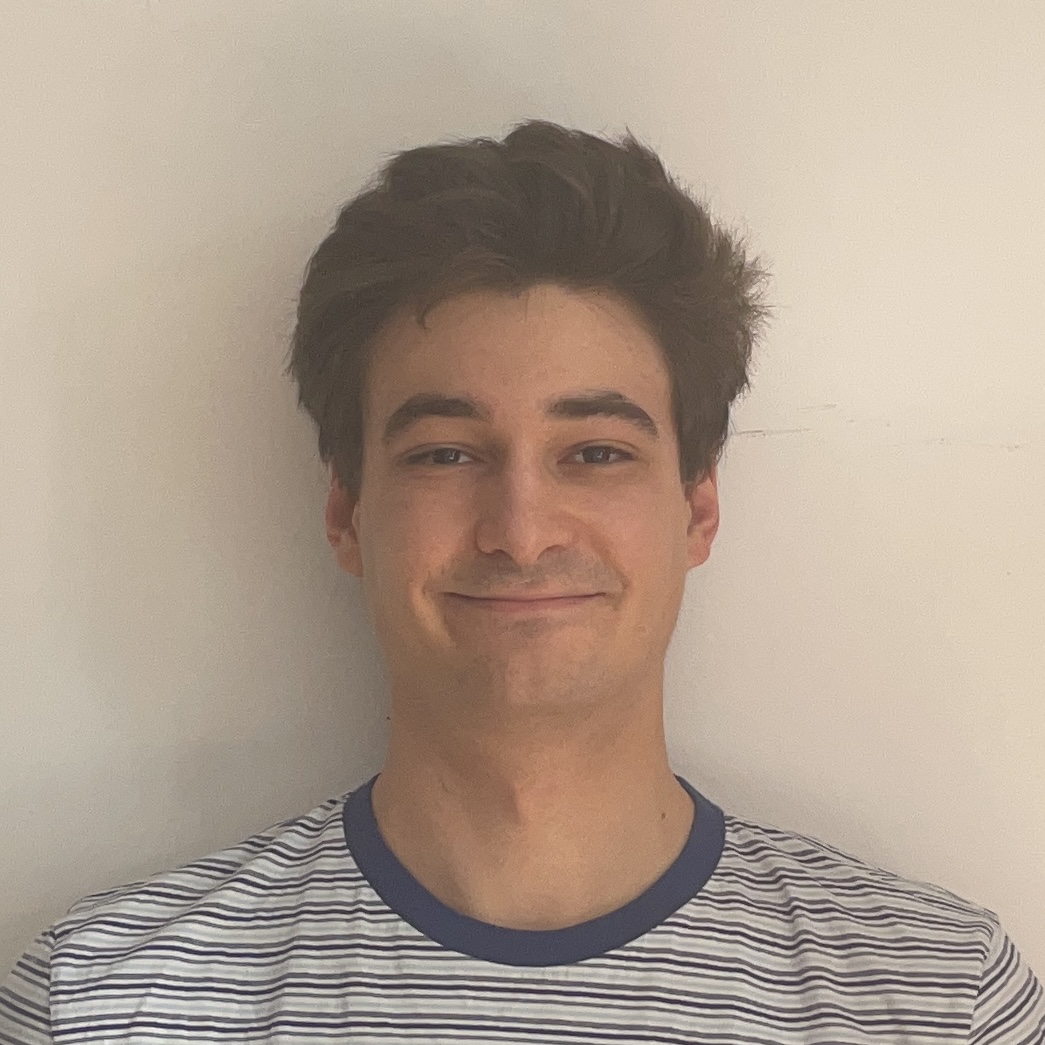
Daniel Kornai
Daniel is a PhD student supervised by Máté Lengyel. At CBL, he works on understanding how contextual inference controls the creation, updating, and expression of the large ensemble of memories in the brain. He hopes to apply these insights to the design of artificial systems that can excel at multi-task learning and continual learning problems.
Prior to joining CBL, Daniel received an MSci in Biological Sciences from UCL, worked in the Biomathematics group at Imperial, and then returned to UCL for an MSc in Scientific and Data Intensive Computing.
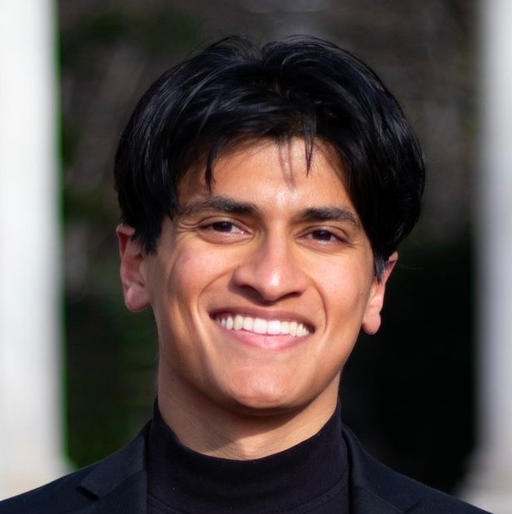
Ishan Kalburge
Ishan is a PhD student supervised by Prof. Máté Lengyel. He completed his bachelor’s degree in biomedical engineering, applied mathematics & statistics, and economics at The Johns Hopkins University and conducted undergraduate research in signal detection theory for basic perceptual decision-making. He is broadly interested in probabilistic inference in neural networks and neural representations of uncertainty. Ishan is a member of Churchill College and a Gates Cambridge Scholar.
Alumni
Postdocs
now Data Science and Machine Learning Team Lead at Coherence Neuro (Cambridge, UK)
now research group leader in the Basque Center on Cognition, Brain and Language in San Sebastián, Spain, on an ERC starting grant
currently Assistant Professor at Korea Advanced Institute of Science & Technology (KAIST)
currently a postdoc at KU Leuven
PhD students
now Researcher at G-Research